Mastering Effective Yoga Breathing Techniques
- therapygonzalez
- Nov 5, 2025
- 3 min read
Yoga breathing exercises are a powerful tool to enhance your physical and mental well-being. These techniques help calm the mind, increase oxygen flow, and improve focus. Whether you are a beginner or an experienced practitioner, mastering these exercises can deepen your yoga practice and bring balance to your daily life.
Understanding the Basics of Yoga Breathing Exercises
Breathing is an automatic process, but in yoga, it becomes a conscious act. The way you breathe affects your energy levels, stress, and overall health. Yoga breathing exercises focus on controlling the breath to promote relaxation and vitality.
There are several types of breathing patterns used in yoga, such as diaphragmatic breathing, alternate nostril breathing, and Ujjayi breath. Each has unique benefits and applications. For example, diaphragmatic breathing encourages deep belly breaths that increase lung capacity and reduce anxiety.
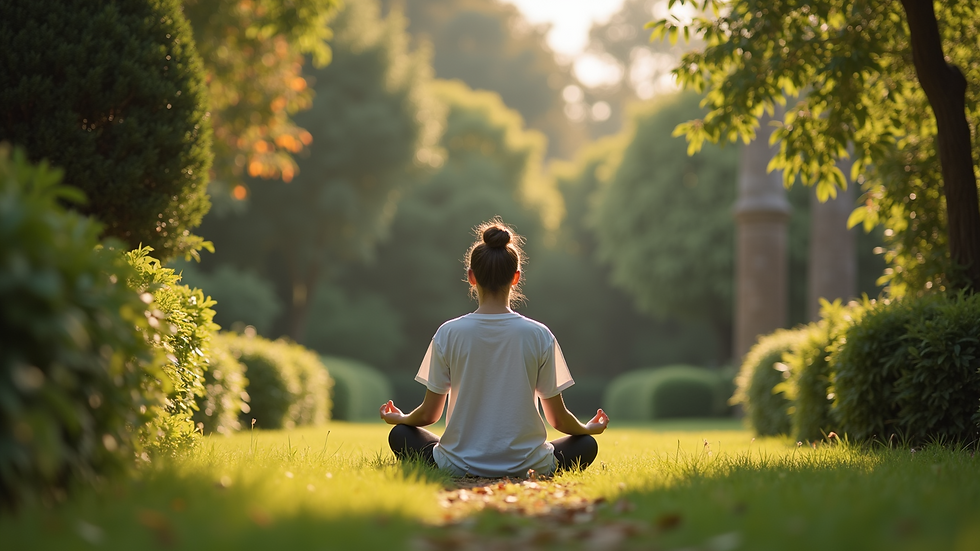
To start, find a quiet place and sit comfortably. Close your eyes and bring your attention to your breath. Notice the natural rhythm without trying to change it. This awareness is the foundation of all yoga breathing exercises.
Tips for beginners:
Practice in a calm environment free from distractions.
Use a timer to start with 5-10 minutes daily.
Keep your spine straight to allow full lung expansion.
Breathe through your nose unless instructed otherwise.

Popular Yoga Breathing Exercises to Try Today
Incorporating specific breathing exercises into your routine can bring immediate benefits. Here are some popular techniques to explore:
1. Diaphragmatic Breathing (Abdominal Breathing)
This technique involves breathing deeply into the belly rather than shallow chest breaths. It activates the diaphragm and promotes relaxation.
Sit or lie down comfortably.
Place one hand on your chest and the other on your belly.
Inhale slowly through your nose, feeling your belly rise.
Exhale gently through your nose, feeling your belly fall.
Repeat for 5-10 minutes.
2. Nadi Shodhana (Alternate Nostril Breathing)
This practice balances the nervous system and clears energy channels.
Use your right thumb to close your right nostril.
Inhale deeply through the left nostril.
Close the left nostril with your ring finger and release the right nostril.
Exhale through the right nostril.
Inhale through the right nostril.
Close the right nostril and exhale through the left.
Continue alternating for 5-10 rounds.
3. Ujjayi Breath (Victorious Breath)
Ujjayi breath creates a soft ocean-like sound and helps maintain focus during yoga postures.
Inhale deeply through your nose.
Slightly constrict the back of your throat to create a gentle hissing sound.
Exhale through your nose with the same constriction.
Maintain a steady rhythm.
These exercises can be combined or practiced individually depending on your needs and time.

How to Integrate Yoga Breathing Techniques into Your Daily Life
Consistency is key to experiencing the full benefits of yoga breathing techniques. Here are practical ways to make them part of your routine:
Morning ritual: Start your day with 5 minutes of diaphragmatic breathing to energize your body.
Stress relief: Use alternate nostril breathing during work breaks to reduce anxiety.
Before sleep: Practice Ujjayi breath to calm your mind and improve sleep quality.
During yoga practice: Coordinate your breath with movement to enhance posture and endurance.
Mindfulness moments: Take deep breaths when feeling overwhelmed or distracted.
Setting reminders on your phone or incorporating breathing exercises into your meditation can help build a lasting habit.
Benefits of Mastering Yoga Breathing Exercises
Mastering these breathing exercises offers numerous physical and mental benefits:
Improved lung capacity and oxygenation
Reduced stress and anxiety levels
Enhanced concentration and mental clarity
Better emotional regulation
Increased energy and vitality
Support for cardiovascular health
Scientific studies have shown that controlled breathing can lower blood pressure and improve heart rate variability, indicating a healthier autonomic nervous system.
By practicing regularly, you can experience a deeper connection between your body and mind, leading to overall well-being.
Taking Your Practice Further with Professional Guidance
For those interested in deepening their understanding and practice, exploring professional resources can be invaluable. Many yoga centers and retreats offer specialized sessions focused on breathing techniques.
If you want to explore more about yoga breathing techniques, consider joining workshops or online courses that provide step-by-step guidance and personalized feedback.
Remember, mastering effective breathing is a journey. Patience and consistent practice will bring lasting transformation.
Mastering yoga breathing exercises is a rewarding path to improved health and inner peace. Start with simple techniques, practice regularly, and watch how your breath becomes a powerful ally in your wellness journey.


Comments